
Gadget Makers
Take your maker skills to the next level. In Gadget Makers, students explore how coding and electronics combine to create real machines. Using Micro:bit, sensors, and servo motors, they learn to design, wire, and program interactive gadgets — from smart fans to mini security systems.
Ages 8–12 · 90-minute classes · Hands-on projects · Small groups
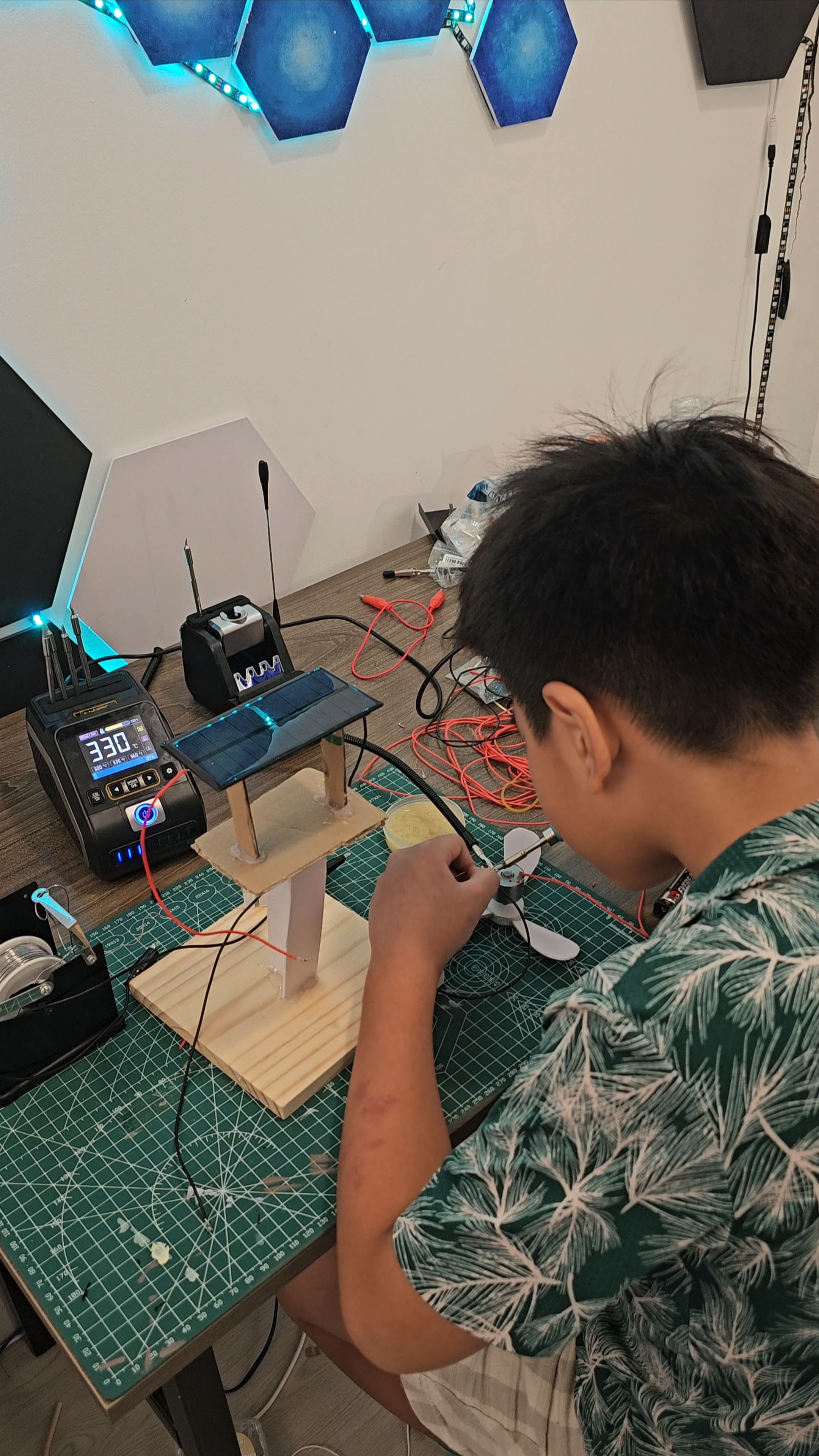
What students build & learn
In Gadget Makers, students level up from foundations to real machines, combining sensors, servos, and code to design functional gadgets.
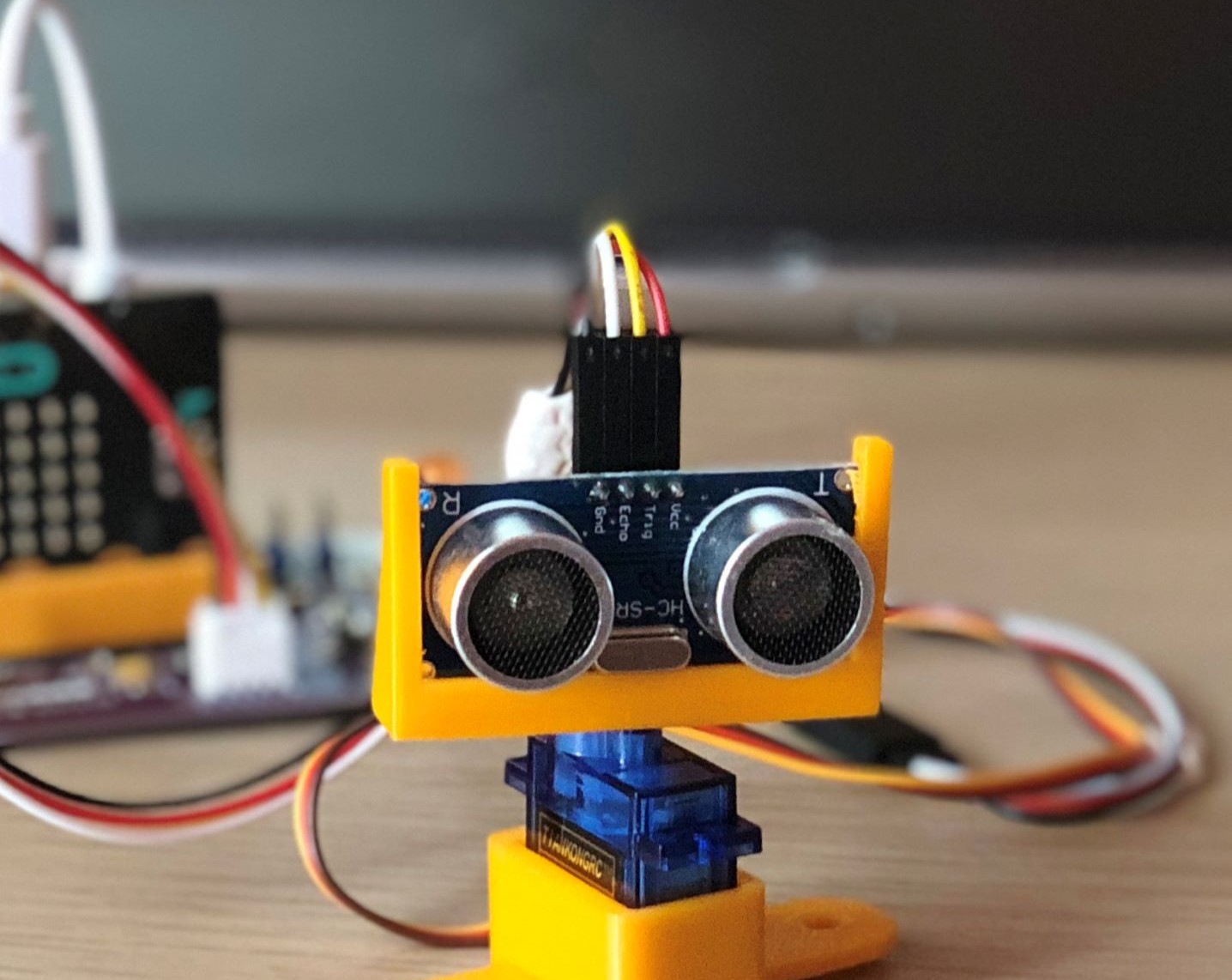
Sensors & inputs
Light, motion, distance, touch, moisture — students learn how sensors read the world and trigger smart responses in their builds.
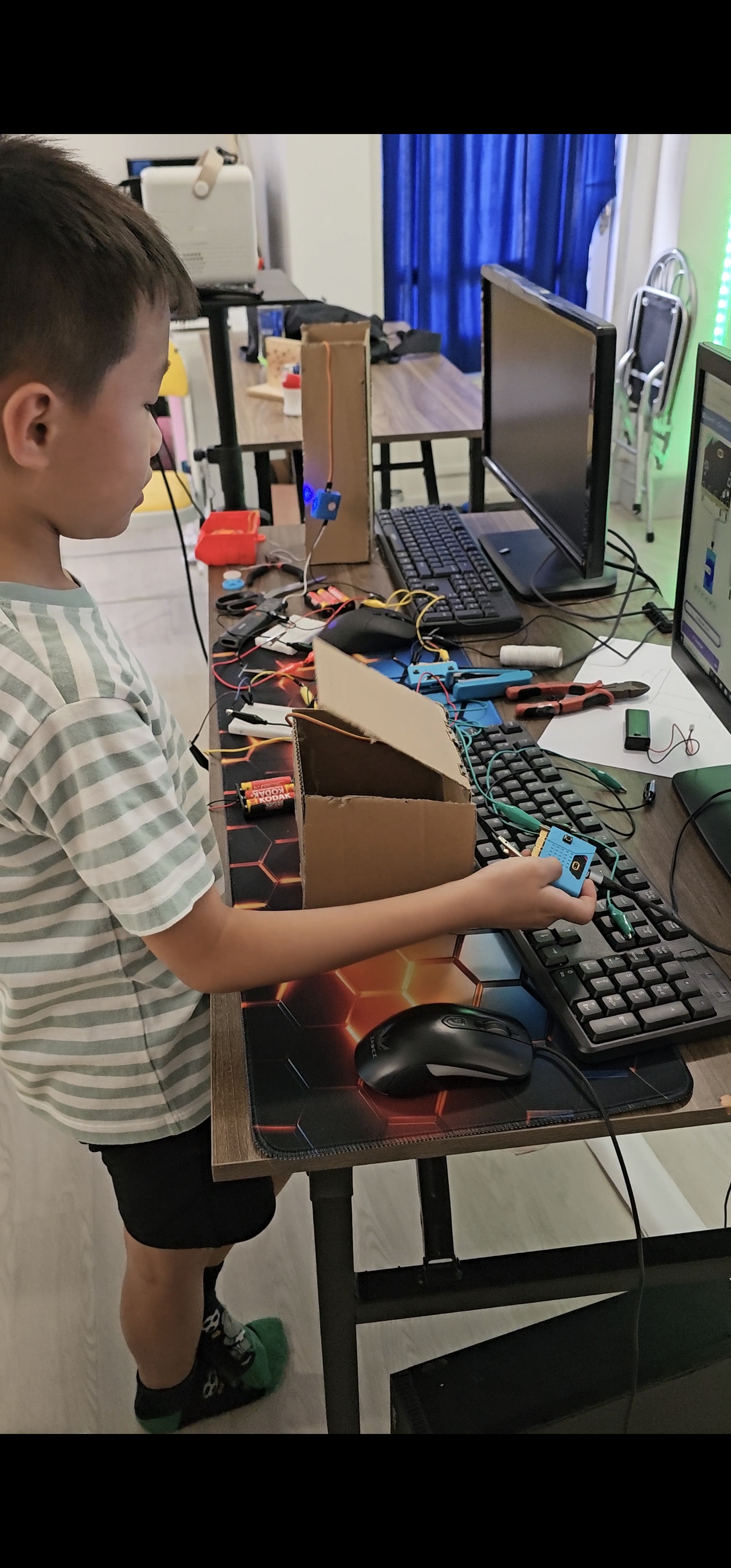
Servos & moving parts
Students control motion with servo motors to build mechanisms: smart fans, winches, gates—learning angles, ranges, and safe power.
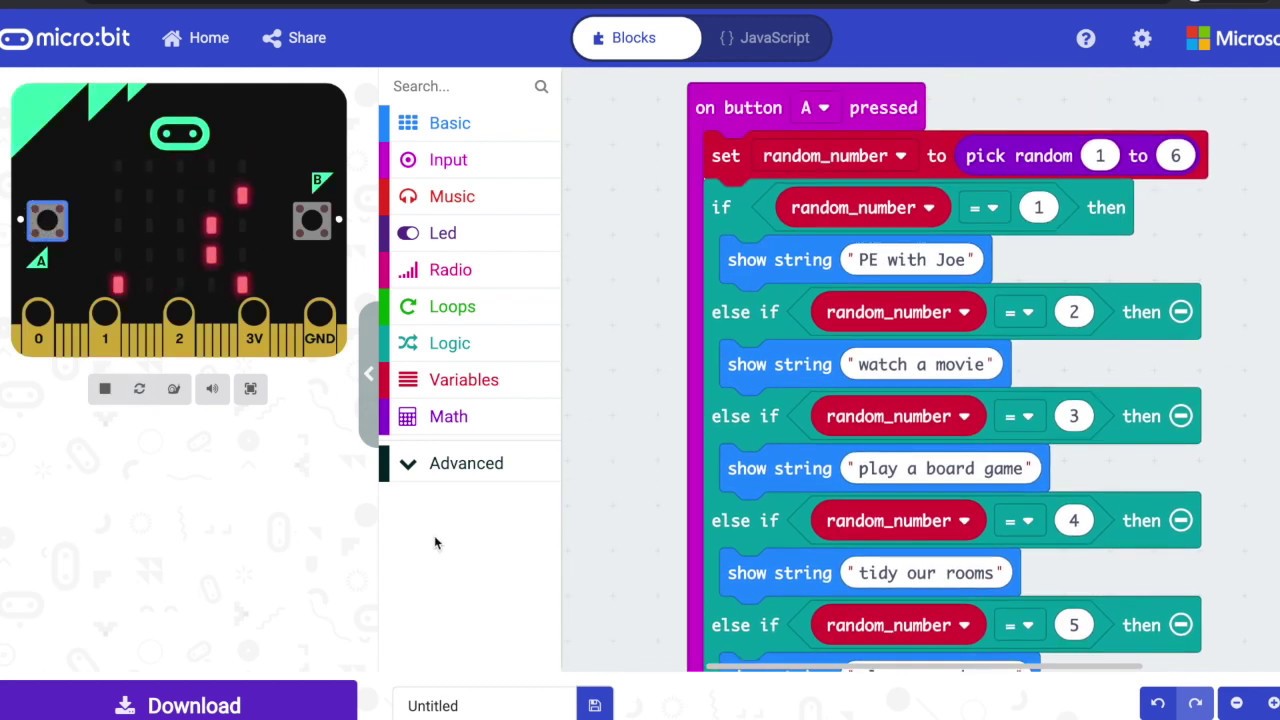
Coding: scaffolded from Stage 1
Building on MakeCode basics (inputs/outputs), students apply logic (if/else), loops, variables, and event handling to connect sensor data to real-world actions.

Prototyping & design thinking
Sketch → quick build → test → improve. Students iterate with cardboard/fomex, then integrate electronics for a refined gadget.
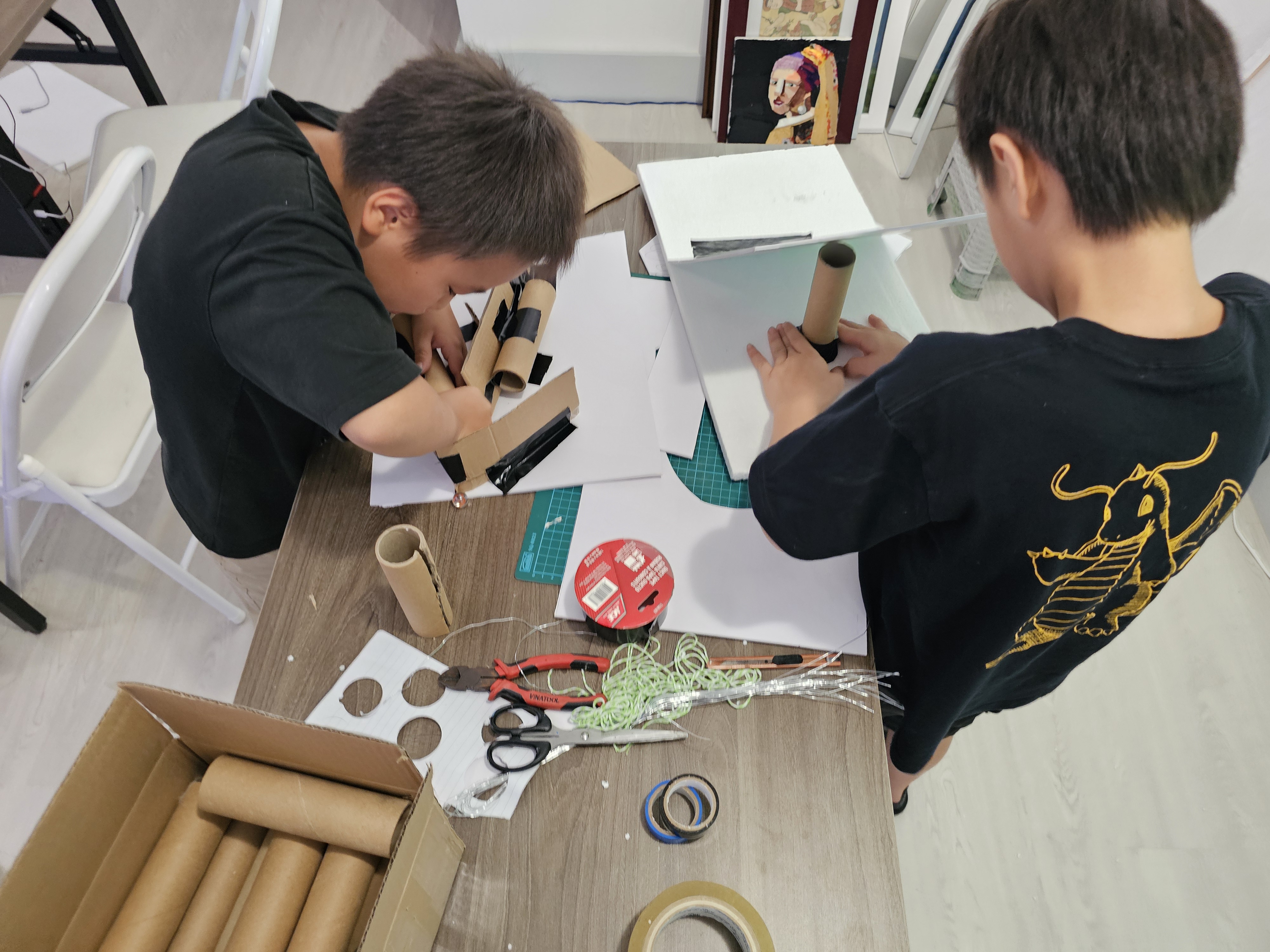
Collaboration & teamwork
Pair work rotates roles — builder, coder, tester — so students practice communication, planning, and shared problem-solving.
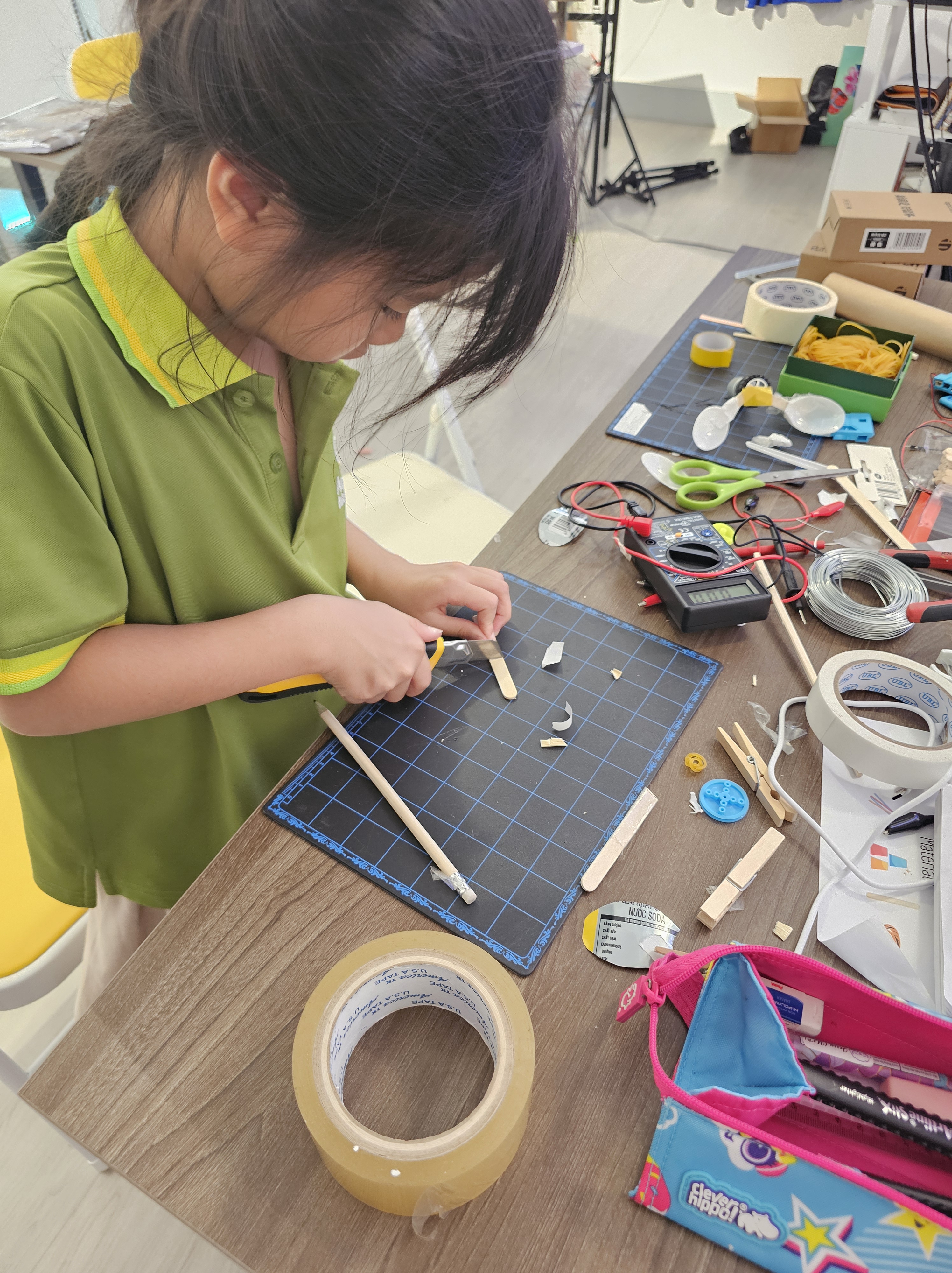
Creativity & grit
Every gadget needs debugging. Students learn to troubleshoot wiring and code independently, growing resilience and confidence.
Sample Projects
See what your child will build in our hands-on maker classes
Automatic Pet Feeder
Build a gadget for furry friends.
Students design a servo-powered food flap that opens when triggered. Using buttons or a light sensor, they create feeding conditions like “day/night mode” or “press to feed.” Along the way, they learn servo positioning, sensor inputs, and multi-step logic.
This project is highly visual, relatable, and fun. Kids immediately see how code and mechanics combine to solve a real-world challenge.
Ultrasonic Distance Alert
Measure the world with sound waves.
Using an ultrasonic sensor and buzzer, students create a gadget that detects how close an object is. When someone (or something) moves within range, the buzzer sounds or an LED flashes.
This teaches them input → process → output logic, real-world applications of sensors (like parking sensors in cars), and strengthens coding with if/else conditions and variables.

Soil Moisture Monitor & Sprayer
Bring gadgets to life with science.
Students prototype a plant-care device using a soil moisture sensor and a servo “sprayer arm.” When the soil is dry, the sensor triggers the servo to release water.
This integrates data readings, thresholds, and actuator control, showing how gadgets can be useful, not just fun. It also ties electronics to sustainability and everyday life.
Ready to Start Building?
These are just three of the many hands-on projects your child will create in our maker classes.
🚀 Enroll Now — Term Starts SoonProgram Details
Ages
8–12 years old
Term Length
12 weeks
Session Length
90 minutes each
Class Size
Small groups (max 6–8 students)
Location
Quantum Makers Studio, District 2, HCMC
Format
Hands-on, scaffolded learning with real tools and structured guidance
Schedule
1 class per week · after-school and weekend options available
Materials
All tools and components are provided
Make-Up Policy
Make-up sessions available subject to space
Ready to Spark Your Child’s Future?
Join hundreds of families in Ho Chi Minh City who trust us with their children’s STEM journey. Get in touch today!
 Quantum Makers Studio